Rhinoplasty by doctor Bart
Are you considering a rhinoplasty? On this page, you’ll find everything you need to know about the procedure, recovery, and how doctor Bart applies his specialised approach to achieve a natural-looking result.
What is a rhinoplasty?
A rhinoplasty, also known as a nose job or nose surgery, is a surgical procedure that improves the shape and sometimes the function of the nose. This may include:
-
Removing a bump on the nasal bridge
-
Refining the nasal tip
-
Straightening a crooked nose
-
Correcting damage caused by injury or trauma
-
Improving breathing (functional rhinoplasty)
Each rhinoplasty is tailored to the individual anatomy and facial proportions of the patient.
Preservation Rhinoplasty: doctor Bart’s specialised technique
Doctor Bart performs all rhinoplasty procedures using the Preservation Rhinoplasty technique. This modern approach focuses on preserving the natural structure and stability of the nasal bones and cartilage.
Compared to traditional rhinoplasty, Preservation Rhinoplasty offers several important advantages.
Benefits of Preservation Rhinoplasty
-
Natural-looking, harmonious results
-
Less trauma to surrounding tissues
-
Shorter recovery time (presentable after approx. 10 days)
-
No visible scars when using the closed technique
A natural result without visible scars
In traditional open rhinoplasty, the nasal bridge is lowered by removing bone and cartilage from the top, after which the nose must be reconstructed. With Preservation Rhinoplasty, doctor Bart works from underneath, leaving the natural lines of the nasal bridge intact.
This can be compared to trimming a Christmas tree that is too tall for the living room. Cutting off the top creates an unnatural shape, whereas shortening the trunk preserves the tree’s natural appearance. The same principle applies to the nose: by preserving its structure, the original character remains.
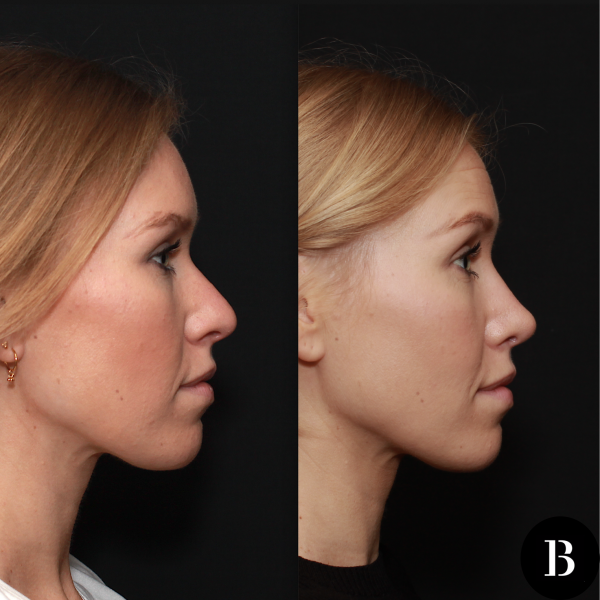
Shorter recovery time after rhinoplasty
Preservation Rhinoplasty is performed in a different anatomical plane, leaving the soft tissues, where blood and lymph vessels run, largely untouched. As a result, the procedure is less invasive and recovery is significantly faster compared to traditional techniques.
Most patients are socially presentable again after around 10 days.
Doctor Bart is an internationally recognised expert in Preservation Rhinoplasty. He regularly lectures and teaches other surgeons in the Netherlands and abroad and is co-author of one of the leading textbooks on Preservation Rhinoplasty.
Open or closed rhinoplasty?
In most cases, doctor Bart performs a closed rhinoplasty, meaning all incisions are made inside the nose. This results in no visible external scars.
Only in complex revision cases or very extensive corrections does he opt for an open rhinoplasty, where a small scar may be visible between the nostrils (the columella).
Want to learn more about the difference between open and closed rhinoplasty? Read more here.
Rhinoplasty for men and women
Rhinoplasty can be suitable for both men and women who are unhappy with the shape or size of their nose. Facial characteristics play an important role:
-
Men often have stronger facial features and a broader nose
-
Women usually have softer features and a more refined nasal shape
Doctor Bart carefully takes these differences into account to ensure the result always complements the face and personality.
Consultation and procedure
During the consultation, you can explain what bothers you most about your nose and what changes you would like to see. Using photo simulation, doctor Bart evaluates what is both aesthetically pleasing and surgically achievable.
A rhinoplasty typically takes 1.5 to 3 hours, depending on complexity, and is performed under general anaesthesia. After surgery, only adhesive tapes are applied — no nasal packing or external cast is used.
After one week, approximately 60% of the swelling has subsided. The remaining swelling gradually disappears over the course of a year. The nose may feel stiff during the first months. Temporary symptoms such as a runny nose or reduced airflow can occur but usually resolve on their own.
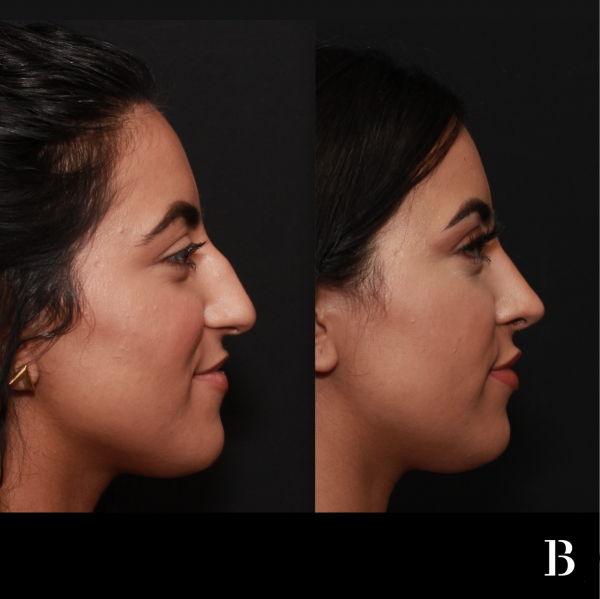
Aftercare following rhinoplasty
-
You may go home approximately 3 hours after surgery.
-
Swelling and bruising around the eyes may occur during the first 72 hours and will gradually decrease.
-
During the first two days, you can cool the area around the nose for 10 minutes every hour while awake.
-
Cooling is not necessary while sleeping. We recommend using a small bag of frozen peas wrapped in a tissue or gauze to protect the skin.
-
Keep the nose clean by gently cleaning the nostrils daily with a moist cotton swab or rinsing with iodine-free saline solution (see FAQ).
-
Avoid bending forward or lifting heavy objects during the first few days. Sleeping with your head elevated (extra pillow or neck support) helps reduce swelling.
-
One week after surgery, you will return to the clinic to remove tapes and any splints. After this visit, makeup may be used again.
-
We recommend taking one week off work or study. A second week off can be helpful for additional rest.
-
A final check-up takes place after 6–8 months. In the meantime, you are always welcome to contact us or visit the clinic if you have questions or concerns.
Rhinoplasty at our clinic in Amsterdam
If you are looking for a rhinoplasty with a natural result, you are in experienced hands with doctor Bart. We recommend sending photos in advance so Bart can assess whether he can help you.
If suitable, a consultation will be scheduled in Amsterdam. During this appointment, doctor Bart takes the time to listen carefully to your wishes. Using photo simulation, he explains what is achievable and provides honest advice about the expected result. The procedure is explained step by step, and there is ample opportunity to ask questions.
Would you like to schedule an appointment with doctor Bart? Please visit this page.
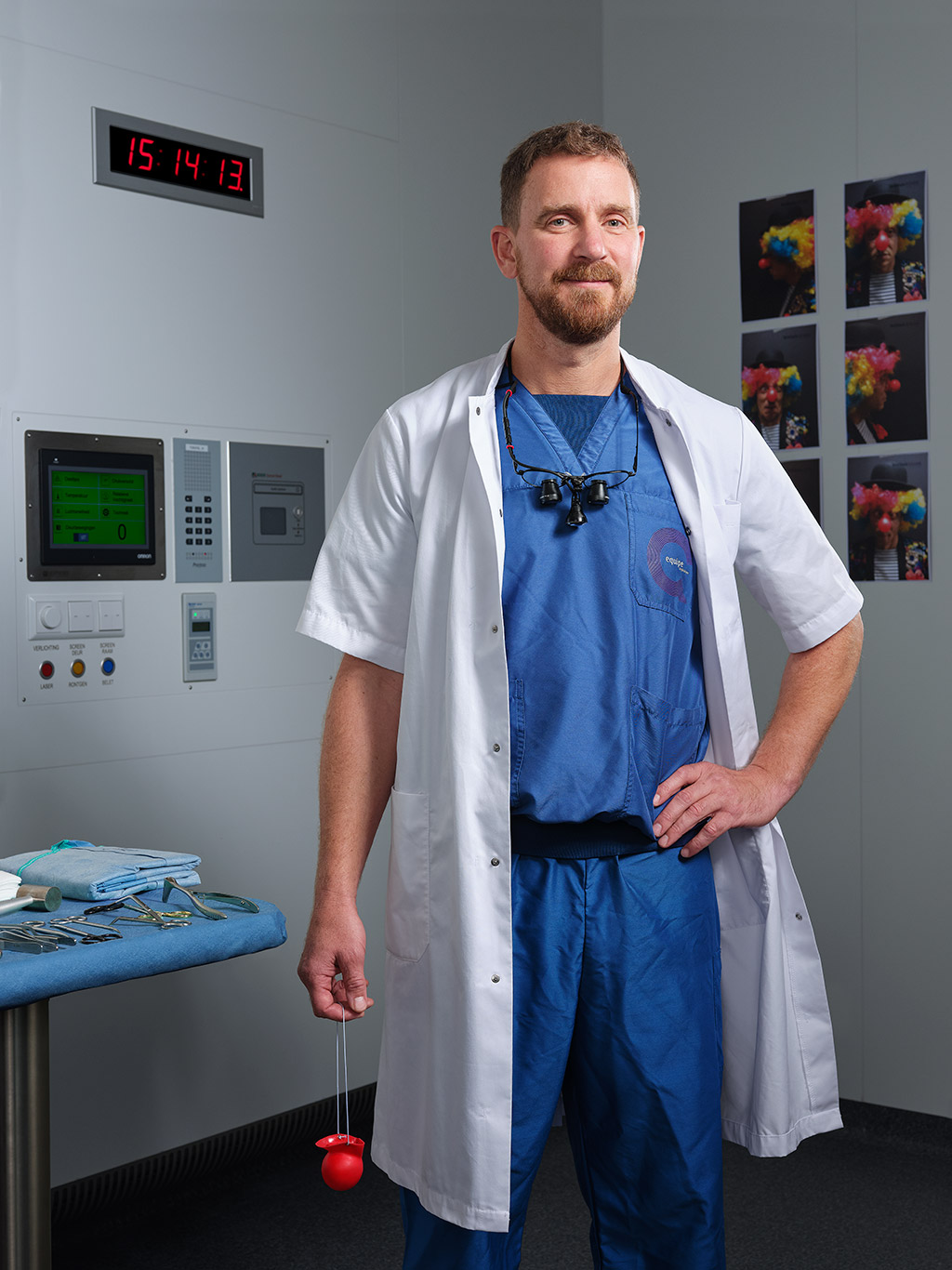
FAQ
The Preservation Rhinoplasty technique, which I use, maintains the structure and stability of the cartilage and bone. This ensures a predictable and natural result. When necessary the function of the nose can also be improved during a rhinoplasty.
A rhinoplasty is not perceived as a very painful procedure. There might be discomfort due to swelling or a feeling of pressure. After the surgery you can use the painkillers prescribed by us.
The complication risk after rhinoplasty is extremely small (0.5%). Despite precautions, sometimes situations cannot be completely prevented. The possible complications are:
- nose bleeding
- infection
- septal hematoma (collection of blood between the mucous membranes of the nasal septum)
- hole in nasal septum
- (temporary) loss of sensation of the skin of the nose tip
- skin reaction to used suture material (granuloma)
If you suspect an infection or septal hematoma, you must contact us immediately. If not treated in time, both complications can permanently damage the cartilage in the nose. In most cases, this will result in an unacceptable functional or suboptimal result. A severe infection may require readmission to a hospital and antibiotic treatment via an IV.
Directly following a rhinoplasty, blowing of the nose is not advised. You can however, flush the nose with a salt water solution. The Nasofree® nasal douche from DOS Medical is recommended by us. This product comes with sachets of rinsing salt. Click here to order the Nasofree.
You can also make the salt water solution yourself by dissolving 9 grams of (iodine-free) salt in 1 liter of lukewarm tap water, or by dissolving 1 teaspoon of salt (iodine-free) in 200ml (1 mug) of lukewarm tap water.
Depending on the type of work, you can resume your activities / training after 10-14 days.
No. Unfortunately, we are not allowed to request this.
To protect the bridge of the nose and to prevent swelling, it is not recommended to wear glasses for up to 6 weeks after surgery.
Nasal surgery is a complex procedure, the outcome of which cannot be fully predicted. Most concerns disappear over the course of the healing process, which takes 12-18 months, especially if you have thick skin.
You can slowly start exercise 2 weeks after surgery. Avoid contact sport for 6 months.
The purpose of the procedure is to create a less noticeable, more beautiful version of your existing nose. The biggest compliment you can get is that people around you don’t notice that you have been operated on. Keep in mind that there is still swelling of the nose in the first three months. After a year, the nose is completely healed. People with thick skin should be aware that fine details sometimes show less well than people with thinner skin.
Do you want to know more?
If you would like to receive more information about what a rhinoplasty could mean for you, you can contact me via the form below to make an appointment.