Do you have a hump on your nose? Here are your options
A hump on the nose is one of the most common reasons people seek a rhinoplasty consultation. What exactly causes a hump on the nose? And what options are available if you would like to have it corrected?
Some people have had a hump on their nasal bridge for as long as they can remember, while for others it develops after a fall, accident, or sports injury. During consultations, I often hear patients say that they are particularly bothered by their side profile. They notice the hump every time they see a photo of themselves from the side, even though friends and family may barely notice it.
In plastic surgery, a hump on the nose is often referred to as a hump. A nose with a prominent hump is also commonly known as a hump nose or Roman nose.
While a nose with character can be a beautiful feature, others feel that the hump draws too much attention or does not feel balanced with the rest of their face.
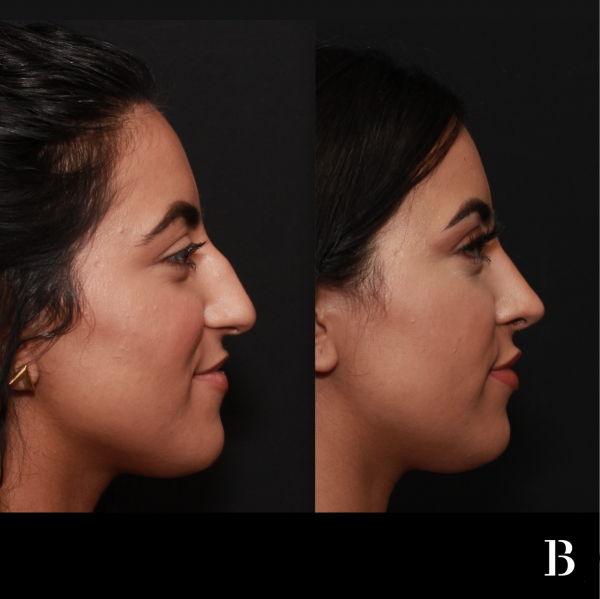
What is a hump on the nose?
A hump is usually located on the nasal bridge and becomes most visible when viewed from the side. The hump may consist of:
- bone
- cartilage
- a combination of both
Its size can vary significantly from person to person. For some, it is a subtle feature, while for others it becomes a dominant characteristic of their profile. Not every hump requires treatment. Many people have a slight elevation of the nasal bridge without considering it a concern.
How does a hump develop?
Genetics
In most cases, a hump on the nose is hereditary. Just like the shape of your eyes, chin or cheekbones, the shape of your nose is largely determined by genetics. It is common to see similar nose shapes among family members.
After an injury or fracture
A hump can also develop after:
- a sports injury
- a fall
- an accident
- a broken nose
If the nose does not heal completely straight, irregularities may develop along the nasal bridge. This may be accompanied by:
- a crooked nose
- breathing difficulties
- asymmetry
Development during growth
For some people, a hump develops gradually during puberty.As the facial skeleton grows, bone and cartilage do not always develop evenly, causing the bridge of the nose to become more prominent over time.
Why do people find a hump bothersome?
The answer differs from person to person. Many patients tell me that they are particularly aware of their profile. For example, when they:
- see themselves in photographs
- appear on video
- look at their reflection from the side
- attend online meetings
Some feel that the hump attracts more attention than the rest of their facial features. Others feel it makes their nose appear larger than they would like. In most cases, this concern is not based on a single photo or comment but on a feeling that has been present for many years.
Does a hump always need to be completely removed?
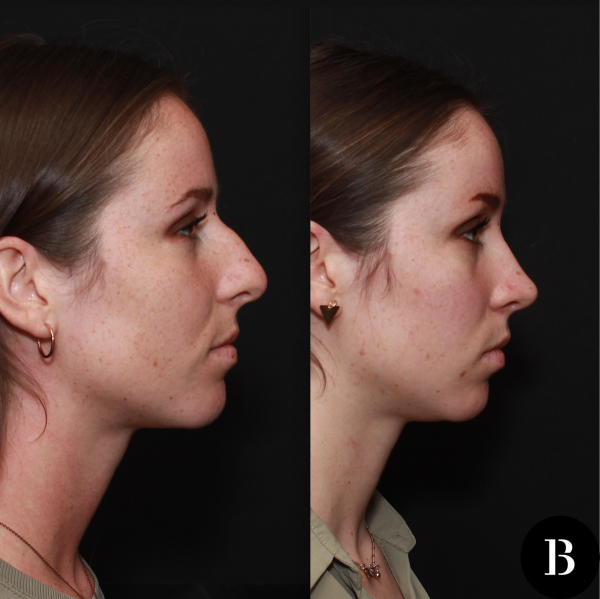
No. This is one of the biggest misconceptions about rhinoplasty. Many people assume that a hump must always be removed entirely. In reality, this does not always create the most natural or attractive result. Sometimes it is preferable to:
- soften the hump
- reduce its prominence
- create smoother contours
- improve overall facial balance
A nose should fit the face. The goal is therefore not to make every nose look the same, but to create a result that looks natural and harmonious.
What treatment options are available?
The right approach depends on:
- the size of the hump
- the shape of the nose
- skin quality
- overall facial proportions
- personal goals and expectations
During consultation, I always evaluate the entire face rather than focusing on the nose alone.
Preservation rhinoplasty: a modern approach
In my practice, I work with preservation rhinoplasty whenever appropriate. This technique focuses on preserving as much of the natural nasal structure as possible.
Instead of aggressively removing large portions of the nasal bridge, the shape is adjusted in a more controlled and anatomical way. Potential benefits include:
- natural-looking lines
- preservation of nasal support structures
- less trauma to surrounding tissues
- a more natural result
Not every patient is a candidate for preservation rhinoplasty, but for many people with a hump, it can be an excellent option.
What about the nasal tip?
A rhinoplasty is rarely just about the hump. When the bridge is adjusted, we also assess:
- the nasal tip
- nasal projection
- chin-to-nose balance
- overall facial harmony
Sometimes a subtle refinement of the nasal tip helps create a more balanced and natural-looking profile. These small adjustments often make a significant difference.
What does recovery look like?
Swelling is a normal part of recovery after rhinoplasty. During the first few days, bruising around the eyes may also occur. In most cases, the splint and dressings are removed after approximately one week. At that point, the nose already looks significantly improved, but patience is important. Swelling continues to decrease gradually over:
- several weeks
- several months
- sometimes up to a year
The nasal tip, in particular, may take longer to reveal its final shape.
When is rhinoplasty not the right choice?
Not every hump needs to be corrected. During consultation, we always discuss:
- your motivation
- your expectations
- your desired outcome
Sometimes patients realise that their concerns are mainly influenced by selfies, filters or comparisons on social media. In these situations, we openly discuss whether surgery is truly the right solution. A rhinoplasty should always be a thoughtful decision rather than a response to a temporary trend.
The goal: balance, not perfection
Many patients come to me wanting to remove the hump on their nose. However, successful rhinoplasty is rarely just about removing a hump. It is about:
- balance
- natural proportions
- harmony with the rest of the face
Often, small changes create the biggest improvement.
Conclusion
A hump on the nose is a common feature that may develop due to genetics, growth or previous injury. For some people, it adds character to the face, while others feel it disrupts their facial balance. In many cases, rhinoplasty can help create a softer, more harmonious profile. The goal is always a natural-looking result that complements the rest of the face. During consultation, I therefore assess not only the hump itself, but the overall facial proportions and balance as well.
Curious to see what I can do for you? Please submit your details and the requested photos via the form on this page.