Which nose shape do you have? Common nose types and rhinoplasty options
No two noses are exactly alike. Just as every face is unique, every nose has its own shape, structure and characteristics. During consultations, I am often asked: "What type of nose do I have?" Or: "Can my nose shape be improved?" There are many different nose shapes. Some people embrace their unique features, while others feel that certain aspects of their nose draw too much attention or disrupt the balance of their face.
In this blog, I discuss some of the most common nose shapes and the treatment options that may be available through rhinoplasty.
1. The Roman nose (nose with a hump)
A Roman nose is characterised by a prominent nasal bridge with a visible hump. Common features include:
- a profile that projects outward
- a noticeable nasal bridge
- strong facial character
While many people appreciate the distinctive appearance of a Roman nose, others feel that the hump draws too much attention.
Possible treatment
During rhinoplasty, the hump can often be reduced while preserving the natural character of the nose. The goal is usually not to completely change the nose, but to create a smoother profile and better facial balance.
2. The bulbous nose (rounded nasal tip)
A bulbous nose is characterised by:
- a wide nasal tip
- rounded contours
- less definition in the tip
This is one of the most common reasons patients seek a rhinoplasty consultation.
Possible treatment
Tip refinement techniques can improve definition and create a more refined appearance while maintaining a natural look. The goal is always to achieve balance rather than an overly sculpted result.
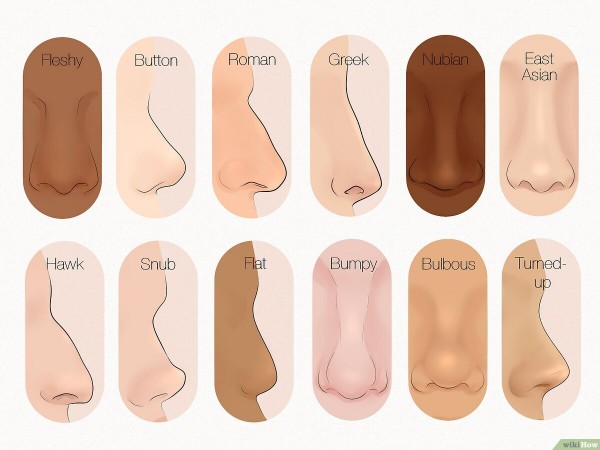
3. The wide nose
A wide nose may involve:
- a broad nasal bridge
- a wide nasal base
- wide nostrils
Some people feel that the width of the nose makes it more prominent within the face.
Possible treatment
Depending on the individual anatomy, the width of the nose can sometimes be subtly reduced to improve overall facial harmony.
4. The crooked nose (nasal deviation)
A crooked nose may be present from birth or develop after trauma, injury or sports-related accidents. Characteristics may include:
- asymmetry
- deviation to one side
- breathing difficulties
Possible treatment
Rhinoplasty can often improve both the appearance and function of the nose. For many patients, this means not only a straighter nose but also improved breathing.
5. The flat nose
A flat nose is characterised by a lower or less prominent nasal bridge. As a result, the profile may appear flatter.
Possible treatment
Depending on the patient's anatomy and wishes, the bridge can sometimes be enhanced to create more projection and definition. It is important to note that a flatter bridge is often a completely normal and beautiful feature within certain ethnic backgrounds.
6. The fleshy nose (thicker skin)
A fleshy nose often has:
- thicker skin
- less visible definition
- a fuller nasal tip
This type of nose requires a different surgical approach than noses with thinner skin.
Possible treatment
During consultation, we carefully assess skin quality and discuss realistic expectations. Thicker skin does not prevent a good result, but it does influence what can realistically be achieved.
7. The upturned nose
A slightly upturned nose can look very natural and attractive. However, in some cases the tip points upward to the extent that:
- the nostrils become highly visible
- facial balance is affected
Possible treatment
Depending on the anatomy, the nasal tip can sometimes be adjusted to create a more balanced profile.
Not every nose needs to be corrected
One of the most important conversations I have during consultations is this: Not every nose shape is a problem. Many features that people perceive as flaws are actually part of what makes their appearance unique. That is why I never assess the nose in isolation. Instead, I evaluate the entire face, including:
- facial proportions
- profile balance
- symmetry
- individual characteristics
The goal is never to create a standard nose, but a nose that fits naturally with your face and personality.
The importance of a personalised approach
Every rhinoplasty should be tailored to the individual. Two patients may have a similar nose shape but require completely different treatment plans. Factors such as:
- skin thickness
- facial structure
- ethnicity
- gender
- personal preferences
all influence what will create the most natural and balanced outcome. That is why a thorough consultation is always essential before deciding on surgery.
Conclusion
There are many different nose shapes, from a Roman nose with a hump to a bulbous tip, a wide nose or a crooked nose. Whether treatment is appropriate depends entirely on your anatomy, goals and expectations. A successful rhinoplasty is not about following trends or creating a perfect nose. It is about creating balance and achieving a result that feels natural and fits your face.
Curious to see what I can do for you? Please submit your details and the requested photos via the form on this page.